 Beauty
How to Remove Halloween Makeup Safely
Halloween makeup should come off by product type, not by scrubbing harder. Adhesive needs its matching remover, water-activated paint may use soap and water, and long-wear cream or pigment may require a product-specific cleanser.
> Quick answer: Remove contact lenses and accessories first, loosen adhesives with their matched remover, lift glitter instead of rubbing it, then dissolve pigments as the label directs. Finish with a gentle cleanser, lukewarm water and moisturizer. Stop if you develop burning, swelling, blistering or significant eye symptoms.
On this page
- Prepare a removal station
- 1. Read the removal instructions before you begin
- 2. Remove contact lenses first—when directed by your eye-care professional
- 3. Take off accessories and prosthetic pieces carefully
- 4. Lift loose glitter and surface residue
- 5. Remove blood, wax and latex by product type
- 6. Dissolve cream makeup and long-wear color
- 7. Cleanse with lukewarm water
- 8. Check the hairline, ears and costume edges
- 9. Moisturize and monitor the skin
- Removal guide by product
- Sensitive and acne-prone skin
- Removing makeup around the eyes
- What not to do
- When to seek help
- Clean your tools after removal
- Frequently asked questions
- Final checklist
- Final recommendation
Prepare a removal station
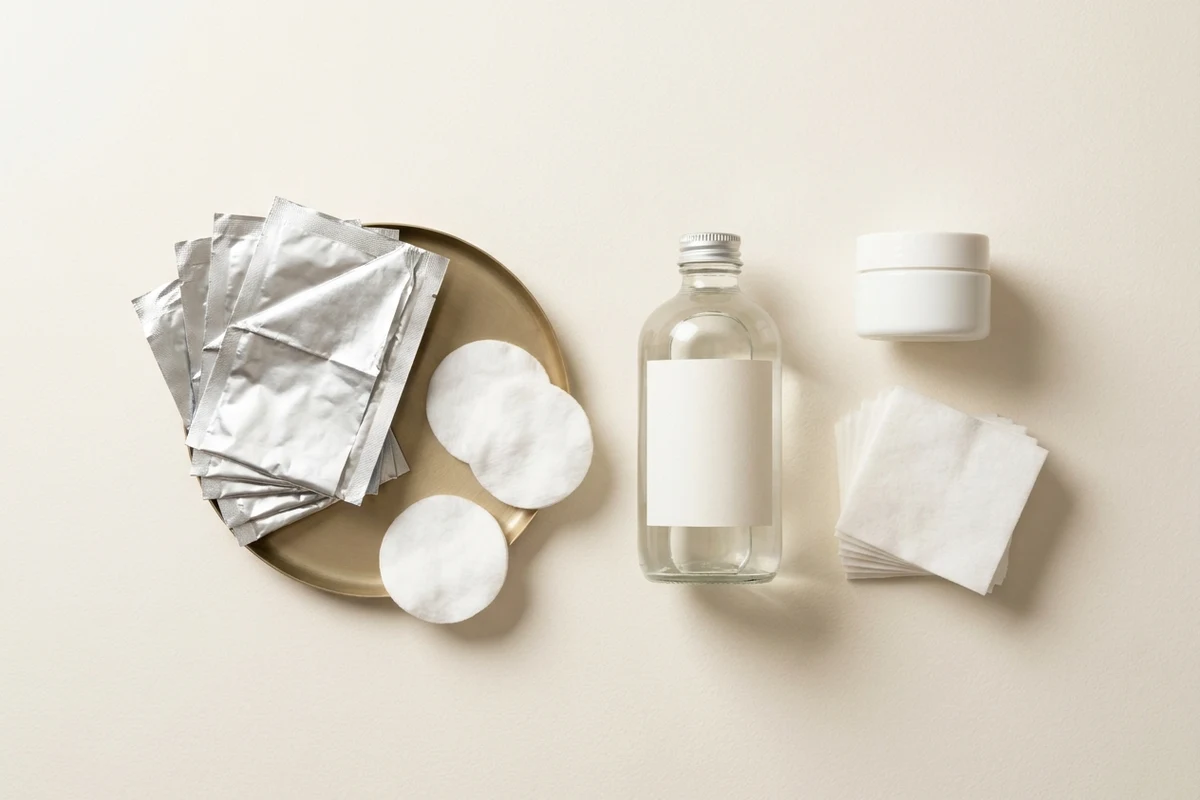
- Every product container or photographed label
- Product-specific adhesive and prosthetic removers
- Gentle cleanser
- Soft cotton pads or clean reusable pads
- Lukewarm water and soft towel
- Cosmetic spatula only when instructed for wax removal
- Simple moisturizer
- Clean contact-lens supplies prescribed for you
- Small waste bag for used applicators
1. Read the removal instructions before you begin
Gather every product used and check its label. Separate water-activated paint, cream makeup, glitter, fake blood, latex, wax and adhesive because they may need different removers.
Safety check: Do not improvise with strong household solvents.
2. Remove contact lenses first—when directed by your eye-care professional
Wash and dry your hands, then follow the lens-care instructions from your eye-care professional. FDA advises removing contact lenses before removing eye makeup.
Safety check: If eyes are red, painful or have discharge, remove lenses and seek prompt eye-care advice.
3. Take off accessories and prosthetic pieces carefully
Remove lashes, gems, clips and lightweight prosthetics according to their adhesive instructions. Support the skin and soften the adhesive edge with its matched remover rather than pulling.
Safety check: Never rip off an appliance or use force near the eyes.
4. Lift loose glitter and surface residue
Keep eyes closed and use the cosmetic product’s recommended method. For loose particles away from the eye, press and lift with a damp cotton pad or other label-approved tool instead of rubbing them across the skin.
Safety check: Do not sweep loose glitter toward the eyes or inhale it.
5. Remove blood, wax and latex by product type
Blot excess fake blood before cleansing. Lift wax with a cosmetic spatula only when the product directions permit. Soften latex edges with the named remover or warm water when specified, then peel slowly without pulling hair.
Safety check: Latex removal should stop if the skin burns, swells or becomes painful.
6. Dissolve cream makeup and long-wear color
Use the remover recommended by the makeup maker. Massage gently with fingertips, allow it time to loosen pigment, then wipe with a soft pad without scrubbing. Repeat small areas instead of using force.
Safety check: Eye and lip products may require separate approved removers.
7. Cleanse with lukewarm water
AAD recommends a gentle, non-abrasive cleanser, lukewarm water and fingertips. Rinse thoroughly and pat dry with a soft towel. Avoid washcloth scrubbing, mesh sponges and very hot water.
Safety check: More friction does not equal better cleansing.
8. Check the hairline, ears and costume edges
Use a mirror and good lighting to check around brows, nostrils, ears, neck and hairline. Follow the product-specific remover where residue remains.
Safety check: Avoid repeatedly washing the entire face for one small spot.
9. Moisturize and monitor the skin
Apply a simple moisturizer appropriate for your skin if it feels dry or tight. Do not add exfoliating acids, harsh scrubs or multiple active products to already irritated skin.
Safety check: Persistent swelling, blistering, eye symptoms, breathing trouble or severe pain needs prompt professional medical attention.
Removal guide by product
| Product | Starting approach | Avoid |
|---|---|---|
| Water-activated face paint | Follow label; often gentle soap/cleanser and water | Hot water and scrubbing |
| Cream or grease makeup | Product-approved cream/oil remover, then gentle cleanser | Assuming water alone will remove it |
| Long-wear eye makeup | Eye-area remover approved for that product | Pulling eyelid skin or rubbing particles into eyes |
| Cosmetic glitter | Press-and-lift method approved for the cosmetic product | Sweeping loose particles toward eyes |
| Fake blood | Blot excess, then use label-directed cleanser | Rubbing stains across larger areas |
| Scar wax or putty | Lift gently as directed, then remove residue | Sharp tools and force |
| Liquid latex | Soften edges as directed and peel slowly | Hair, known latex sensitivity and rapid pulling |
| Spirit gum/prosthetic adhesive | Matching manufacturer-approved remover | Household solvents and dry pulling |
Sensitive and acne-prone skin
Keep the routine short: product-specific remover, gentle cleanser and appropriate moisturizer. AAD advises resisting the urge to scrub, including when removing makeup, because friction can irritate skin. Products labeled oil-free and noncomedogenic may suit some acne-prone users, but individual tolerance differs.
Removing makeup around the eyes
Use only products labeled for the eye area. Keep the eye closed, work from the lash line outward and avoid dragging particles across the surface of the eye. FDA notes that decorative contact lenses are medical devices; follow your eye-care professional’s instructions and remove lenses before makeup removal.
What not to do
- Do not sleep in face paint, glitter, fake blood, latex or adhesive
- Do not use acetone, paint thinner, gasoline or household adhesive remover on skin
- Do not scrape with sharp tools
- Do not pull prosthetics or latex from hair
- Do not use craft glitter around the eyes
- Do not keep washing or exfoliating irritated skin
- Do not reuse contaminated sponges or share eye products
When to seek help
Remove the product and seek appropriate medical advice for persistent swelling, blistering, severe pain, breathing difficulty or a spreading reaction. Eye pain, redness, discharge or vision changes need prompt eye-care attention. For a suspected cosmetic reaction in the United States, FDA provides a process for reporting cosmetic-related complaints.
Clean your tools after removal
Discard single-use applicators. Clean reusable brushes and tools according to their maker’s directions, allow them to dry fully and keep adhesive tools separate from ordinary beauty brushes. Replace contaminated or damaged products rather than saving them for next year.
Frequently asked questions
Can I use coconut oil to remove all Halloween makeup?
No single remover works for every product or every skin type. Use the remover named by the makeup or adhesive manufacturer and avoid coconut oil if it does not suit your skin.
How do I remove liquid latex without pulling hair?
Use the manufacturer’s recommended remover or softening method, work slowly from an edge and avoid applying latex in hair in the first place.
What removes fake blood stains from skin?
Blot excess and follow the product label. Some pigments can temporarily stain; repeated hard scrubbing can create more irritation than the remaining color.
Should I exfoliate after Halloween makeup?
Not automatically. If skin is irritated or dry, skip harsh scrubs and strong acids. Gentle cleansing and simple moisture are the safer starting point.
Can I sleep first and remove makeup in the morning?
No. FDA advises not going to bed with novelty makeup on because prolonged wear can irritate skin and product can flake or smear into the eyes.
Final checklist
- Contact lenses handled according to professional instructions
- Adhesives loosened with matched remover
- Glitter lifted rather than rubbed
- Pigments removed by product type
- Face gently cleansed with lukewarm water
- Skin patted dry and moisturized if needed
- Tools cleaned or discarded
- Concerning skin or eye symptoms monitored
Final recommendation
Plan removal at the same time you plan the makeup. If a kit does not include or clearly identify the correct remover, add that cost and step before applying the product.
Review Halloween Cosmetics and SFX Tools and compare Best Fake Blood and Scar Kits before purchasing a system.